
Halifax’s blue bags are changing
Throw even more stuff into your recycling

by Georgia MacDonald
As of Dec. 1, Nova Scotia is making companies pay to clean up the garbage they create. This decision follows other Canadian provinces’ success with this new model. Extended Producer Responsibility (EPR) holds companies accountable for the lifespan of their product. Under EPR, a company that wraps their product in plastic must help pay for the collection and recycling of that plastic. This approach may seem complicated, but the this model takes the burden of paying for and managing recycling off of government and taxpayers and puts it on the companies that produce packaging and paper. This is expected to incentivize producers to make their packaging easily recyclable—and to keep costs down for the business. This shift also brings environmental benefits, like less excessive packaging, which is a significant contributor to landfills. Statistics Canada identified that in 2019, of the 3.9 million tons of disposed plastic waste, about half was in plastic packaging.
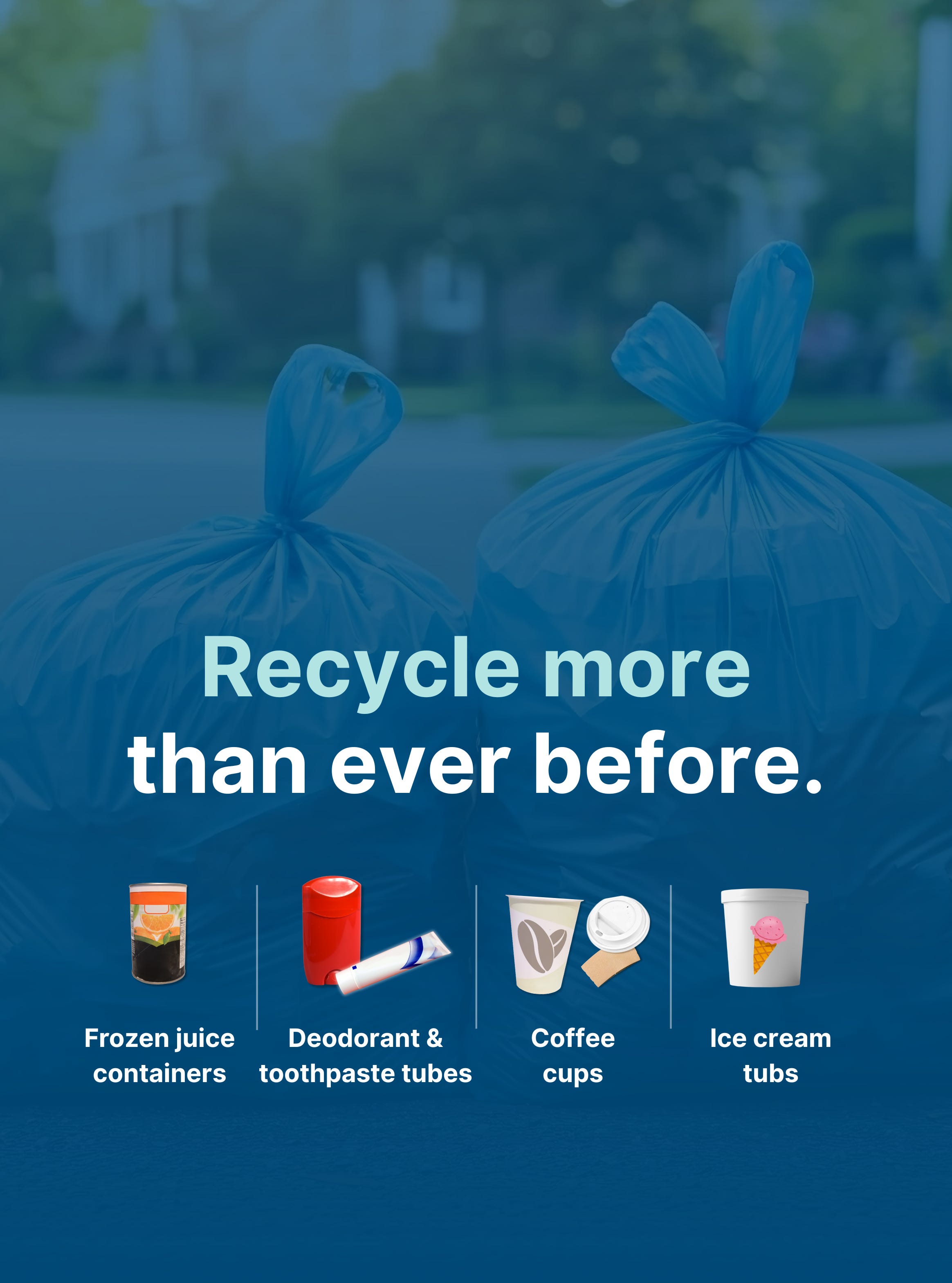
This reform is also meant to create a clearer recycling system across the province. Circular Materials, the organization managing the takeover, is advertising, “starting December 1, you’ll be able to recycle the same materials no matter where you live”. This was not the case previously. This uniform list expands what residents can put in their blue bags. Newly accepted materials include multi-layer paper containers such as Tim Hortons cups, plastic tubes including toothpaste and deodorant, and small item plastic packaging such as candy or gum containers. A full list can be found on Halifax.ca’s official recycling site. This is a relatively small expansion, but it reduces questions about what goes where, improves the curbside experience, and most importantly, cuts down items that go to the landfill.
