Surfriders test city beaches

Popular beaches? More like poopular beaches!
by Carlo Cininni
From Aug 14-17, Haligonians were warned to avoid swimming in the ocean after water tests showed signs of fecal bacteria. A figurative turd was floating in the very big pool that makes up Canada's ocean playground
Halifax started treating wastewater in 2007 before dumping it in the harbour. But that doesn’t mean the risk of fecal bacteria pollution is gone.
Laura Bonga knows this well. A passionate surfer, she has on occasion sensed something foul.
“I have smelled it terribly at the Moose [a popular Cow Bay surf break], to the point where I almost puked a couple of times...there’s been a few times where everyone in the water is like ‘it stinks.’”
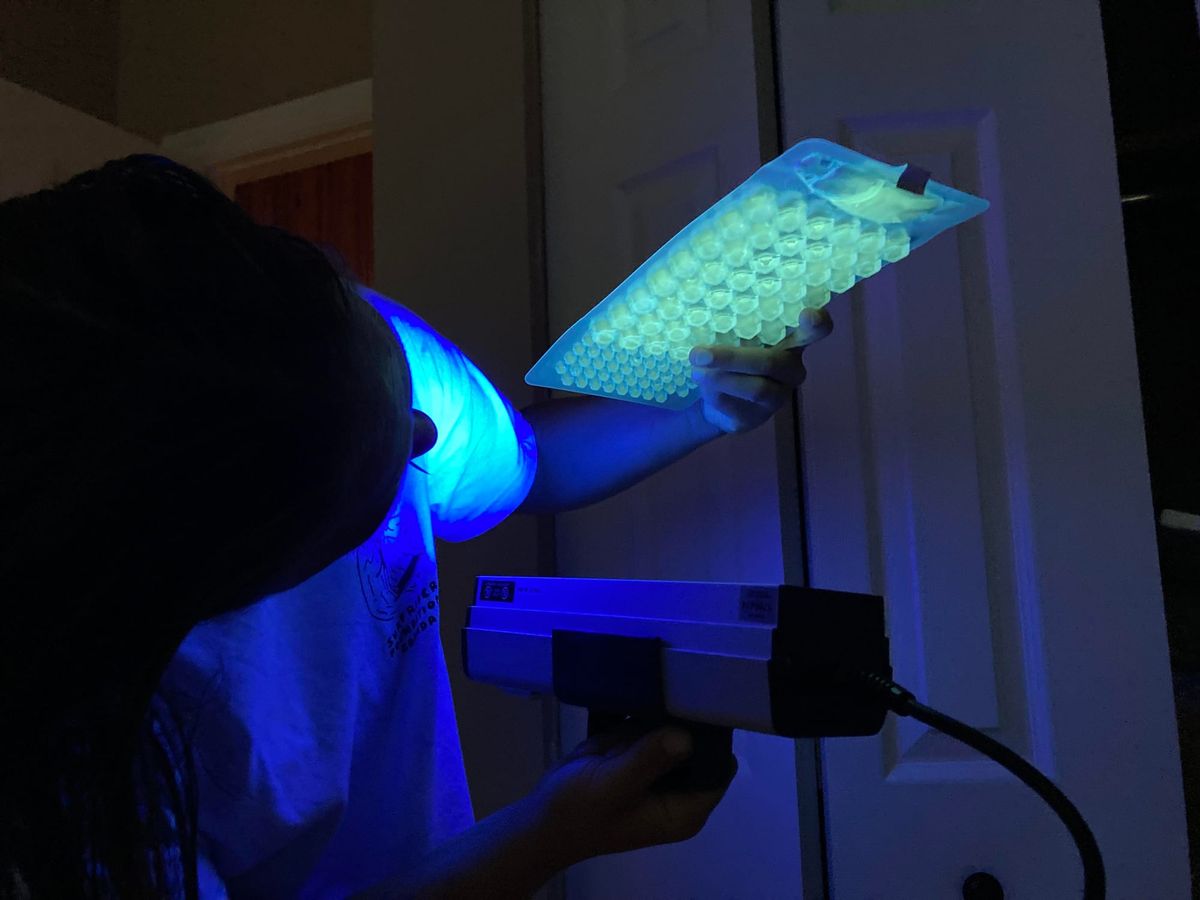
The experience inspired her to get involved with Surfrider Atlantic, an organization that helps keep recreational coastlines clean. Bonga hosts Surfrider’s small water quality testing lab in a small room in her Cow Bay home. It’s half-filled with surfboards, alongside an incubator, a tray sealer, distilled water, and testing chemicals.
Surfrider Atlantic just launched the Blue Water Task Force, a water testing initiative, which since August has monitored for coliform bacteria like Enterococcus, a fecal indicator bacteria similar to E. Coli, resistant to saltwater.
Surfrider volunteers do weekly tests on areas of the HRM’s coastline that the municipality does not currently test: Silver Sands Beach Park, the rocky beach by Cow Bay’s Christ Church, and Black Rock Beach at Point Pleasant park. Results take about 24 hours.