The CAP creates inequality
Urban renters subsidize suburban home owners
by Matt Stickland
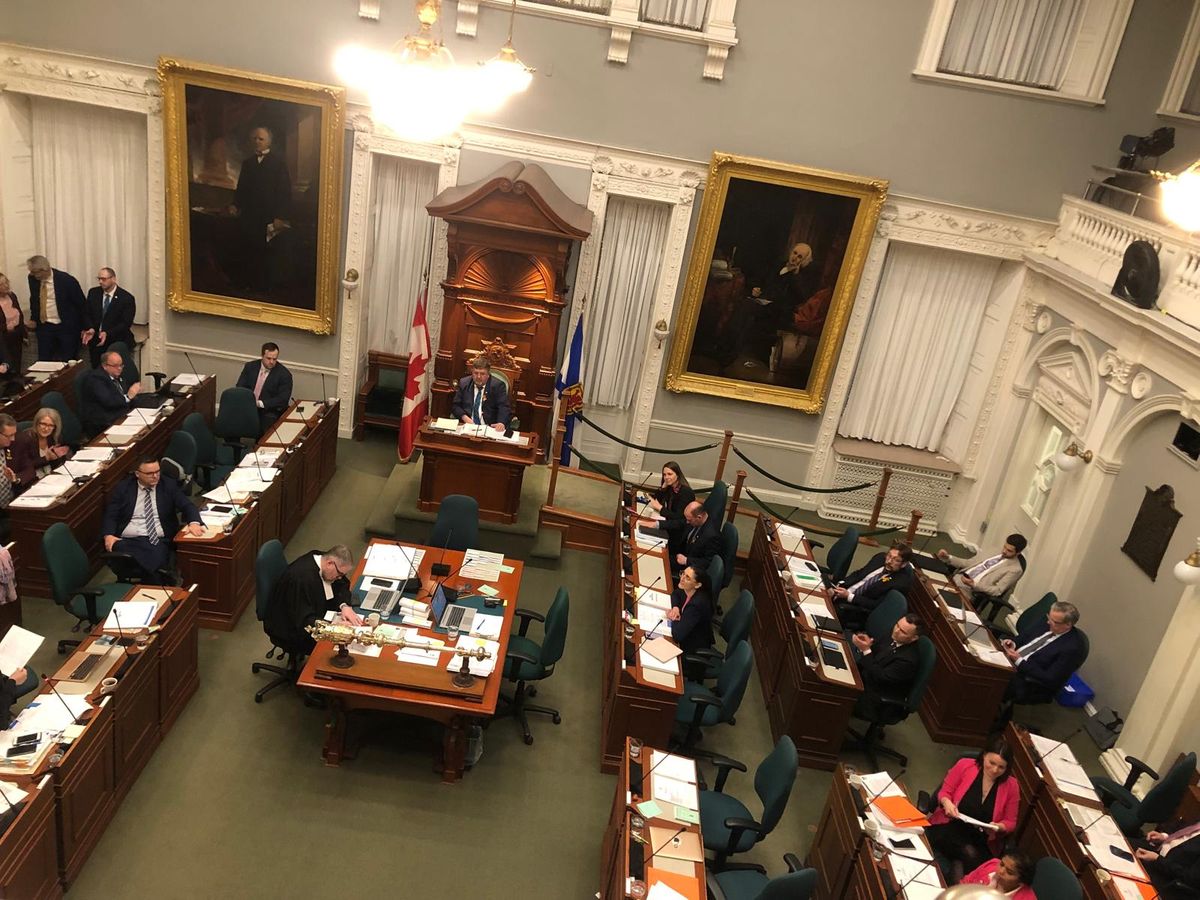
Last week HRM councillors got a startling report about how the Nova Scotia Capped Assessment Program, aka the property tax CAP, is creating a huge amount of inequality in the city.
The report came to council last Tuesday thanks to councillor Janet Steele. She initially asked for the report because she heard the CAP was creating inequity and she wanted to get the numbers, one way or the other.
After getting the report, she put a motion on the floor asking council to write a letter to the province asking them to remove the CAP.
Mayor Andy Fillmore argued that because all parties should want to fix this and to avoid seeming to be partisan on this issue, Fillmore got the motion amended so that council would write a letter to all political parties in the province asking for the CAP to be removed.
And since the CAP was implemented or maintained by the Progressive Conservatives and the Nova Scotia NDP back in the day, getting the CAP removed will likely require support from most if not all provincial parties. And the CAP really needs to go because it’s creating a huge amount of inter-generational inequality.
The numbers are bleak.
Home owners who have had their property CAP’d, about 79% of them, get a subsidy in their property taxes paid for by new home buyers or renters.
In the report staff write that those 79% of homeowners who benefit also pay 79% less in taxes. In the report staff write that “in one example, otherwise comparable homes had 2026 tax bills ranging from $4,366 to $7,799.”
The biggest losers of the current CAP are District 7 residents who pay on average $3,760 more a year in property taxes than everyone else in the city.
And because rental properties with four or more units are not generally capped, each rental unit in the city pays an average of $519 extra in property taxes so that CAP’d property owners don’t have to.
Steele said in her closing remarks that the inequities the CAP had created were “unintended consequences.”
They were not unintended consequences.
In cabinet briefings obtained via access to information request, provincial staffers recommended against implementing the cap and against indexing it to inflation.
They warned that doing this would create all of the inequalities and inequities we are seeing today. The governments of John Hamm, Rodney MacDonald and Darrell Dexter all deliberately and knowingly chose to create or perpetuate the CAP’s inequity.
At last week’s meeting councillor Trish Purdy said the tax system would always be inequitable, pointing out that “The CAP creates winners and losers.”
One of the current winners is Purdy’s own District 4.
One of District 4’s constituents calculated that without the CAP District 4 would pay an extra $5.9 million in taxes.
“Where would that come from?” She mused before answering who currently pays District 4’s shortfall of $5.9 million in taxes. “I don’t want the CAP removed now! My son can get a second job or continue working his 12 hour shifts. He works his butt off to afford the taxes.”
Purdy continued to say that “any type of solution is also going to create winners and losers that are different.”
For example, without the CAP the “losers” would be all Haligonians who now had to start paying their fair share in taxes.
The “winners” would be the renters and new home buyers who could stop working 12 hour shifts to pay extra taxes just so that Cole Harbour’s CAP’d land owners didn’t have to.
Councillor Purdy wanted to keep the current set of losers, the ones who have to work their butts off to pay the property tax subsidies for the current winners of this policy, the 79% of home owners in District 4.
Purdy along with councillors Cathy Deagle Gammon, Billy Gillis, Nancy Hartling, and John Young, voted to do nothing with the information that the CAP was creating inequality in the HRM. They voted not to send a letter to the provincial political parties asking for the CAP to be removed.
Those selfish five represent districts that overwhelmingly benefit from the CAP so it is not surprise that they voted to make sure their constituents kept benefiting off the backs of the residents of District 7, and Purdy’s son.
Those losers can work harder.
The good news is that in political terms council should not have voted to send the letter asking to remove the CAP. The suburban and rural districts are main winners of the CAP and rural and suburban districts are the majority of seats in the
HRM’s municipal democracy.
Councillors David Hendsbee, Becky Kent and Patty Cuttell voted against the selfish interests of their individual districts in order to try and get rid of the CAP and get rid of this deliberately created inter-generational inequality throughout the city.
The Suburban Plan can phase out the CAP
by Matt Stickland
Last week council lost the plausible deniability of not knowing how the Nova Scotia Capped Assessment Program, aka the property tax CAP, is creating a huge amount of inequality.
The good news is that council does have the power to slowly phase out the CAP.
And in extra good news doing so would also help bring water rates and property taxes down.