The hubris of Shubenacadie
The history of Shubenacadie Canal is one of geology, but it's also one of hubris with parallels into the modern day.
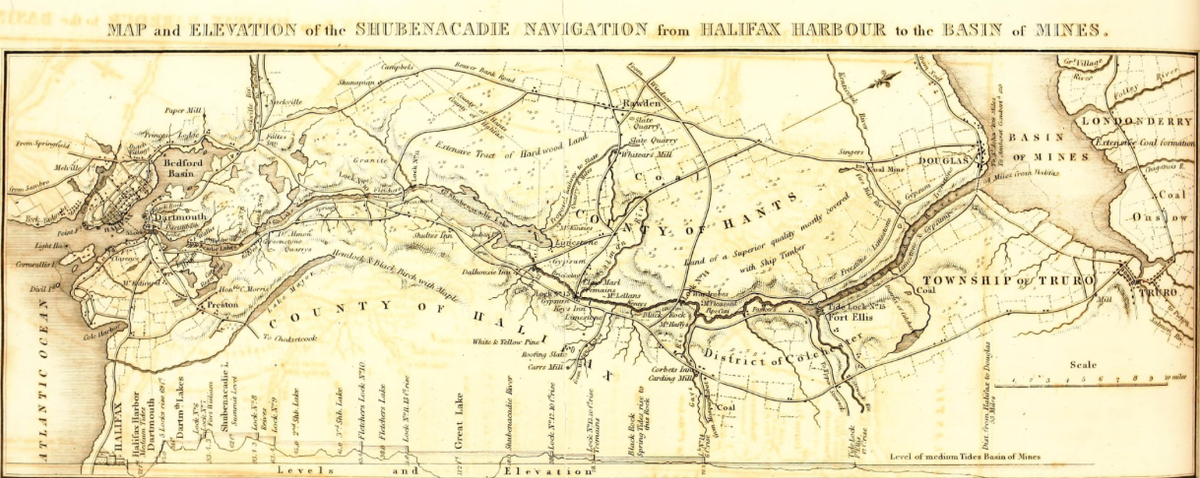

The history of Shubenacadie Canal is one of geology, but it's also one of hubris with parallels into the modern day.
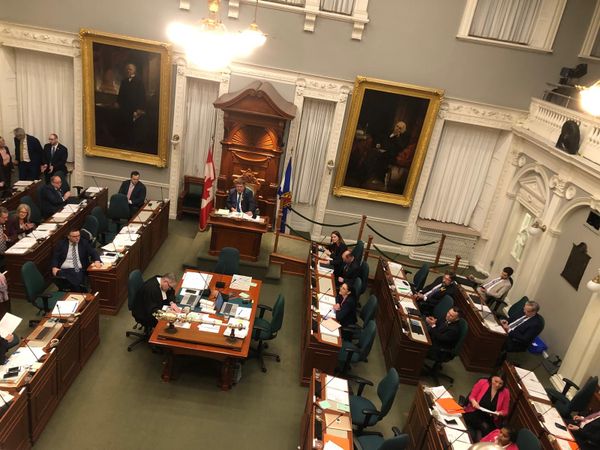
Urban renters subsidize suburban home owners by Matt Stickland Last week HRM councillors got a startling report about how the Nova Scotia Capped Assessment Program, aka the property tax CAP, is creating a huge amount of inequality in the city. The report came to council last Tuesday thanks to councillor
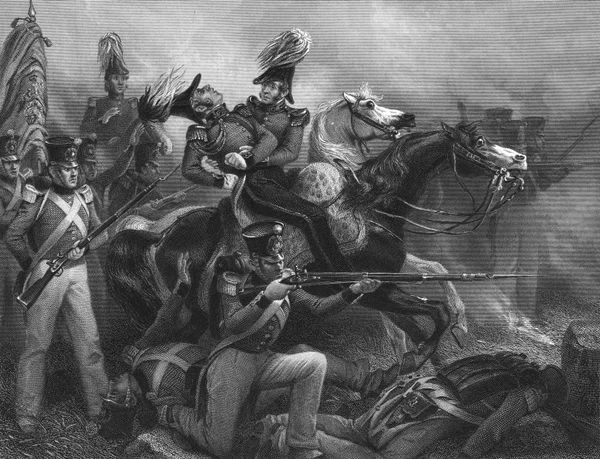
Remembering America’s first embarrassing loss by Katy Jean August 24, 1814. James Madison, President of the United States of America, is running away from the nation’s capital of Washington. The Battle of Bladensburg had just been won in Maryland by the British led by Major-General Robert Ross.

New stadium to have parking, flushing toilets by Carlo Cininni “As a City that considers itself one of Canada’s best, it is safe to say we deserve to flush,” read the last slide of Derek Martin’s pitch to council on for a stadium on the Wanderer’s Grounds
Popular beaches? More like poopular beaches! by Carlo Cininni From Aug 14-17, Haligonians were warned to avoid swimming in the ocean after water tests showed signs of fecal bacteria. A figurative turd was floating in the very big pool that makes up Canada's ocean playground Halifax started